Brazilian Butt Lift (BBL): what patients should really know before booking
A Brazilian Butt Lift, often called a BBL, is not a beauty “hack” or a simple body treatment. It is a real surgical procedure that combines liposuction and fat transfer to reshape the silhouette and enhance the buttocks using the patient’s own fat. When properly indicated and carefully performed, it can create elegant, natural-looking body proportions. But like any surgery, it requires honest information, a proper medical evaluation, realistic expectations, and strict post-operative discipline.
At Sublime Specialist Clinic, we believe patients deserve more than attractive before-and-after photos. They deserve a clear explanation of what a BBL can do, what it cannot do, who may be a good candidate, what recovery is really like, and why safety should always come before price. That is part of our philosophy: we do not sell a dream disconnected from reality. We help patients make informed decisions with clarity, dignity, and medical seriousness.
What a BBL really does
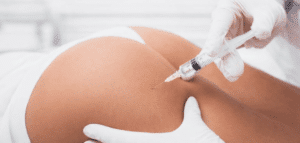
A BBL reshapes the body in two ways at the same time. First, liposuction is used to remove excess fat from selected donor areas such as the abdomen, waist, flanks, lower back, or thighs. Then, after processing and purification, part of that fat is reinjected to improve the contour, projection, and harmony of the buttocks. The visual result often comes not only from added volume, but also from a better waist-to-hip balance.
This is also why not every BBL looks the same. Some patients want a softer, more sculpted silhouette. Others want stronger projection. In leaner patients, the goal may be contour and proportion rather than a major increase in volume. The final result always depends on anatomy, available donor fat, tissue quality, and healing.
What a BBL is not
A BBL is not a weight-loss procedure. It is not a guarantee of a specific celebrity body shape. It is not the right answer for every patient. It also does not produce a final result overnight. Swelling, tissue settling, and partial fat resorption are all part of the process. A portion of the transferred fat does not survive, and this is expected rather than exceptional.
Who may be a good candidate
A good candidate is not defined only by desire. She must also have enough donor fat, relatively stable weight, realistic expectations, and the ability to respect recovery instructions. Smoking, uncontrolled medical conditions, unstable weight, or an inability to comply with sitting restrictions can all affect candidacy. Patients actively losing weight, including those using GLP-1 medications, often need timing to be assessed carefully before surgery is considered.
Why safety matters so much in BBL surgery
BBL has received more public attention than many other aesthetic procedures because safety standards around gluteal fat grafting have evolved significantly. Major professional societies have emphasized that safe fat placement is critical, and recent safety statements support ultrasound guidance and strict procedural safeguards in gluteal fat grafting.
For patients, the message is simple: this procedure should never be approached casually. It should be discussed with clarity, performed in an appropriate surgical setting, and followed by proper post-operative monitoring. Transparent discussion is not meant to scare patients. It is meant to protect them.
What are the real risks?
Every surgery carries risk, and a serious clinic should say that clearly. In a BBL, the commonly discussed issues include swelling, bruising, discomfort, contour irregularities, asymmetry, infection, seroma, and the natural resorption of part of the transferred fat. Fat necrosis can also occur when fat does not survive properly in a given area. More serious complications, while uncommon, are the reason this procedure must be approached with rigor and expertise.
Being transparent about risk does not reduce confidence. In fact, many informed patients trust a clinic more when the explanations are mature, precise, and free of marketing shortcuts.
Recovery: what patients often underestimate
Recovery after a BBL is one of the most unfortunate parts of the journey. The first weeks are not simply “a bit of swelling.” Patients usually need to avoid direct pressure on the buttocks, modify the way they sit, wear compression garments, and plan their daily life more carefully than they expected. Loose clothing, rest, positioning discipline, and patience are all important. Many clinics oversimplify this stage, but good recovery planning is part of good surgical planning.
Why price should never be the only filter
Aesthetic patients are right to compare options, but the cheapest quote is not always the best value. International health authorities have documented cosmetic surgery-related deaths among US citizens in the Dominican Republic, and the CDC reported 93 such deaths from 2009 to 2022, many linked to major body procedures and surgical complications. That does not mean international surgery is inherently unsafe. It means that standards, structure, operator training, and follow-up matter more than marketing promises or low prices .
This is why our approach at Sublime Specialist Clinic is based on selection, transparency, and continuity. We are not interested in pushing unsuitable procedures. We are interested in helping patients move forward only when the indication, the plan, and the follow-up make sense.
Our philosophy at Sublime Specialist Clinic
We believe beauty should never be sold like a commodity. Patients are not products, and surgery is not an impulse purchase. Our role is to guide, explain, coordinate, and support with seriousness. That means discussing the benefits, the limits, the risks, the recovery, and the expected level of commitment before any decision is made.
A beautiful result starts with an honest consultation. The right patient, the right plan, the right expectations, and the right aftercare are what create a safe and rewarding experience.
Thinking about a BBL?
If you are considering buttock surgery, the first step is not to chase the lowest quote. It is to get a serious medical assessment, understand what is realistically achievable for your anatomy, and choose a team that values safety and transparency as much as aesthetics.